Direct consultations with our US-based founder · Denver, Colorado (310) 465-6178 · allsevensummits@gmail.com · Pay your balance
Kilimanjaro climbs · Tanzania safaris · Peru treks
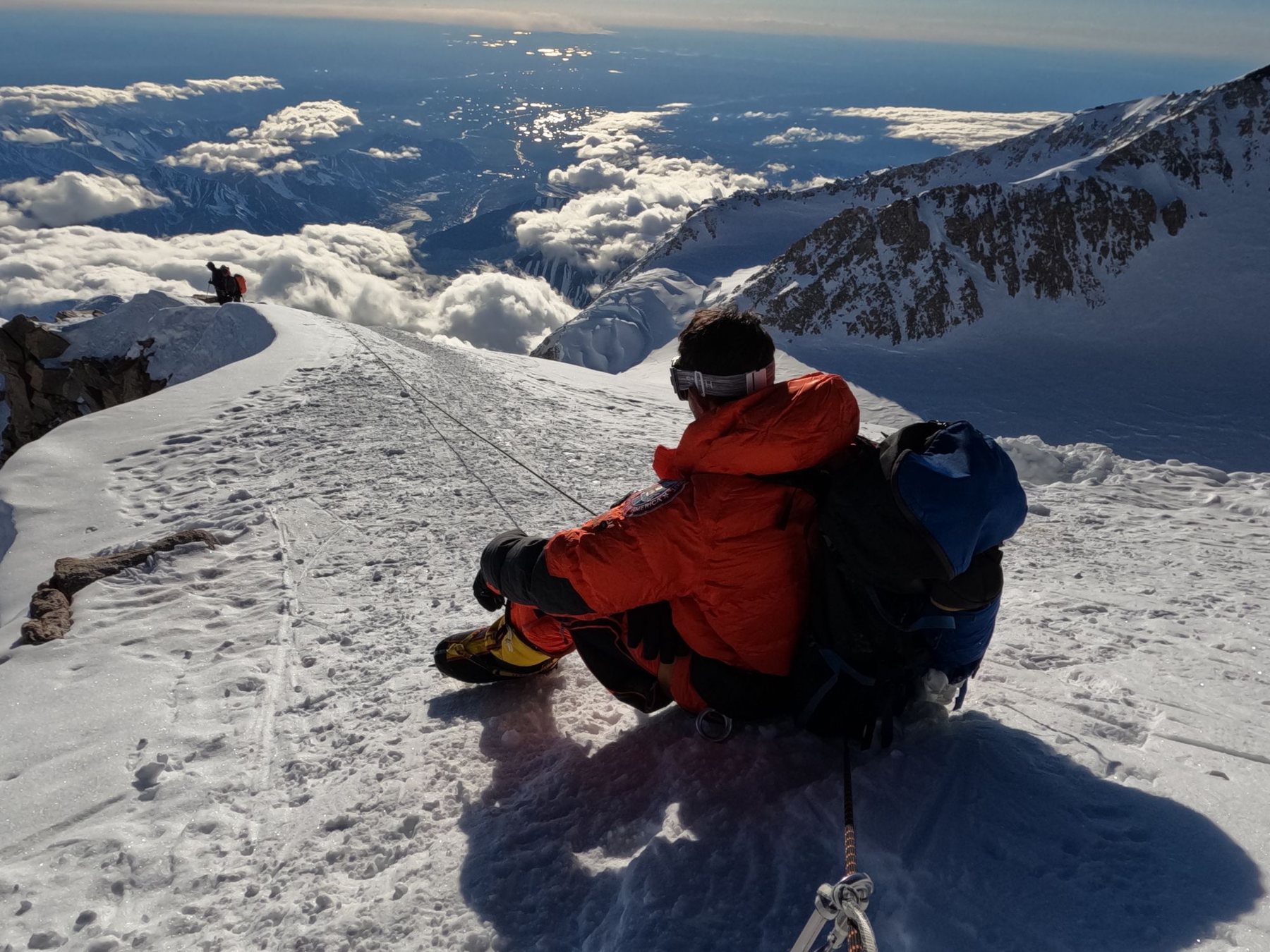
A climber in an orange down suit resting on a roped snow ridge high above the clouds on Denali in 2022 Denali 2022

Freedom Peak Expeditions · Client Guide

Expedition Insurance

The seven strongest providers for high-altitude mountaineering and trekking — what each one actually covers, where each one stops, and why the right policy is part of your safety system, not paperwork.

Scope: US-based clients travelling internationally Trips: Andes · Kilimanjaro · remote Papua Researched: October 27, 2026

Why it matters

Expedition insurance is not an optional extra

It is what makes a rescue possible — and affordable — when you are days from a hospital. On a high-altitude expedition, a sprained ankle, a fall, or altitude sickness (AMS, HAPE or HACE) can quickly become a situation you cannot walk out of. The only safe option is often a helicopter — and without cover that explicitly includes high-altitude helicopter evacuation, that bill, and sometimes proof of payment before a helicopter is even dispatched, falls on you or your family.

The terrain compounds the risk. Beyond roadheads such as Lukla there is no road access; mountain villages offer basic health posts without CT scanners, operating theatres or intensive care, so serious cases must be flown to a city hospital and sometimes repatriated home. Care abroad varies enormously, and a US health plan may cover little or nothing overseas.

An expedition is also a multi-thousand-dollar, often non-refundable investment — permits, guides, flights and time — that one illness, injury, family emergency or weather disruption can end before it starts. Trip cancellation and interruption cover protects that investment, but only if you buy early and choose a plan that actually names your activity and your maximum altitude. Standard travel insurance routinely excludes trekking above 2,500–3,000 m and high-altitude mountaineering altogether — so the fine print on activity, altitude, helicopter rescue and pre-authorisation is the whole policy.

  • $3,000–$10,000
    Typical published range for a helicopter rescue in Nepal.
  • $5,000–$10,000
    Typical published range for a helicopter rescue on Kilimanjaro.
  • Up to $300,000
    What a complex international medical air-ambulance evacuation can cost, per Global Rescue.
  • 2,500–3,000 m
    Where standard travel policies commonly stop covering trekking at all.

Cost figures are published ranges and estimates, not quotes — actual costs vary by location, altitude, distance, weather and operator.

No single
product
does it all

For trips above 4,600 m, the safest standard setup is a layered pair: a full travel-insurance policy (pays medical bills and protects your trip cost) plus a field-rescue membership such as Global Rescue with its High-Altitude Package — or Ripcord, which builds rescue into one policy. A membership alone pays no hospital or cancellation bills; a travel policy alone may not dispatch a rescue team and may exclude search & rescue. Always confirm the exact activity name and maximum altitude in the plan document itself, not just a sales page.

Start here

How high are you going?

Altitude ceilings decide most of this list. Pick your trip's highest point and see where each provider stands — “confirm” means the research found no explicit ceiling or only a secondary summary, so get it in writing before you rely on it.

At a glance

The seven, compared

Ranked for US-based clients on guided international expeditions. Two of the seven are memberships, not insurance — they move you, but they don't pay medical or trip bills. No prices are listed: premiums depend on age, trip cost, duration, destination and state, so get a live quote.

Provider Medical Evacuation & rescue Trip cancellation Altitude / activity ceiling
1Ripcord
Insurance + rescue
$100,000 (secondary cover) $1,000,000 evac; $25,000 search & rescue 100% of trip cost; CFAR option to 75% No explicit cap found on the official page — confirm in writing
2Global Rescue
Membership — not insurance
None — pays no hospital bills Field rescue from point of injury; to hospital of choice None High-Altitude Package required above 4,600 m
3World Nomads
Full insurance
Included — US dollar limits Unverified Included, to nearest adequate facility; search & rescue reportedly excluded Included; CFAR on Explorer / Epic Epic to 8,000 m; Explorer to 6,500 m (US plans)
4IMG Travel LX
Full insurance
$500,000 $1,000,000 evac; $10,000 search & rescue Up to $100,000 (operator summary) Not confirmed from the policy document — verify in writing
5Faye
Full insurance · US only
$250,000 primary (Forward / Flagship) $500,000–$1,000,000 by tier 100% of non-refundable costs Hard ceiling 6,000 m with the sports add-on
6Travel Guard (AIG)
Full insurance
Included — limits vary by tier / state Unverified Included; helicopter rescue needs the adventure add-on + confirmation Comprehensive — a traditional strength Technical mountaineering excluded in the wording found — verify US plan
7Medjet
Membership — not insurance
None — pays no hospital bills Hospital-to-hospital only — not field rescue None No ceiling — but the service only starts at a hospital door

The ranked seven

Provider profiles

1

Ripcord

Full insurance + rescue service Redpoint Travel Protection
Checked on provider's own page

Best overall single product for remote expeditions. The only entry that combines point-of-injury rescue, evacuation to your home hospital, medical cover and trip-cost protection in one purchase.

Medical

$100,000 emergency accident & sickness per person — secondary cover, so it supplements your primary health insurance. Dental $750.

Evacuation & rescue

$1,000,000 medical evacuation & repatriation; $25,000 search & rescue; $150,000 political / security / natural-disaster evacuation. Rescue from remote locations to your home hospital of choice, 24/7 medical and security team, cover from 100+ miles from home.

Trip cancellation

100% of insured trip cost; interruption to 150%; optional Cancel For Any Reason to 75% of non-refundable cost. 32 covered reasons, including illness, injury, quarantine and mandatory evacuation.

Altitude & activities

Covers many adventure activities; listed exclusions (BASE jumping, bungee, cliff diving, deep scuba…) do not name mountaineering, and secondary sources describe no strict altitude cap. No explicit ceiling was found on the official page.

Best for

Clients on remote, high or logistically difficult trips — Andes above 6,000 m, remote Papua — who want one purchase and value being taken to a home hospital, not just the nearest adequate facility.

Watch out

Get your peak's altitude and technical nature confirmed in writing before relying on Ripcord for a specific route above 6,000 m — the “no cap” position rests on secondary sources, not the benefits page.

Source: Ripcord official benefits page (opened Oct 27, 2026).
2

Global Rescue

Evacuation membership — not insurance + High-Altitude Evacuation Package
Checked on provider's own page

Best field rescue above 4,600 m. Rescue teams come to the point of illness or injury — but this is a membership, not insurance, and it must be paired with a full travel policy.

Medical

None. A membership pays no hospital or treatment bills. Pair it with a travel-medical / travel-insurance policy (Global Rescue offers an optional partner add-on and is commonly paired with IMG).

Evacuation & rescue

Field rescue from the point of injury to a medical facility, then medical transport to a hospital of choice. Where Global Rescue organises the rescue and membership criteria are met, a partner page states no cost to the member up to $500,000. Not restricted by activity or distance from home, except war zones and polar extremes.

Trip cancellation

None — it is not travel insurance.

Altitude & activities

The High-Altitude Package is required above 15,000 ft / 4,600 m (age 16+) and must be bought before an illness or injury occurs. Above 23,000 ft / 7,010 m most helicopters cannot operate — pilot approval and weather permitting, ground resources cover the first part. Global Rescue does not search for missing members; your location must be known.

Best for

Every client going above 4,600 m — that includes Kilimanjaro (5,895 m) and essentially all Andean 6,000 m+ objectives — as the rescue layer alongside a full policy, and for technical objectives where mainstream policies cap out.

Watch out

On its own it leaves hospital bills and your trip cost completely uncovered. Buy the High-Altitude Package before departure — it cannot be added after something goes wrong.

Sources: Global Rescue High-Altitude FAQ · Partner FAQ (Oct 27, 2026).

3

World Nomads — Epic

Full insurance Explorer as fallback tier
Altitude ceilings checked on provider's own page

Best published high-altitude ceiling in a mainstream policy. The US Epic plan is the only full policy here with a stated mountaineering ceiling — 8,000 m — that covers Aconcagua.

Medical

Emergency medical & dental and emergency evacuation / repatriation are listed benefits on the US page. Dollar limits vary by plan and were not stated in the official text; secondary summaries conflict (evacuation $500,000 vs $700,000) — Treat as unverified until the current US plan document is checked.

Evacuation & rescue

Emergency evacuation when seriously injured or ill, to the nearest adequate facility, where medically necessary and approved by the 24/7 assistance team. Caveat: Backcountry Insurance reports World Nomads excludes the cost of organising search & rescue — verify the wording, and pair with Global Rescue or Ripcord on remote routes.

Trip cancellation

Cancellation, interruption and delay included. Optional Cancel For Any Reason on Explorer / Epic only — and it must be bought within 7 days of your first trip deposit.

Altitude & activities

US plans: hiking to 6,000 m on Standard / Annual; mountaineering and expeditions to 6,500 m on Explorer and 8,000 m on Epic. Note: non-US World Nomads plans are reported to cap at 6,000 m — the US-plan distinction matters.

Best for

US-resident clients who want a single, widely available full policy for Kilimanjaro and for peaks up to 8,000 m on the Epic tier — especially guided, non-technical high trekking and mountaineering within the listed activities.

Watch out

Confirm the dollar limits and the search-and-rescue wording in the current US plan document before publishing or relying on secondary figures.

Source: World Nomads USA — hiking & mountaineering cover (opened Oct 27, 2026).

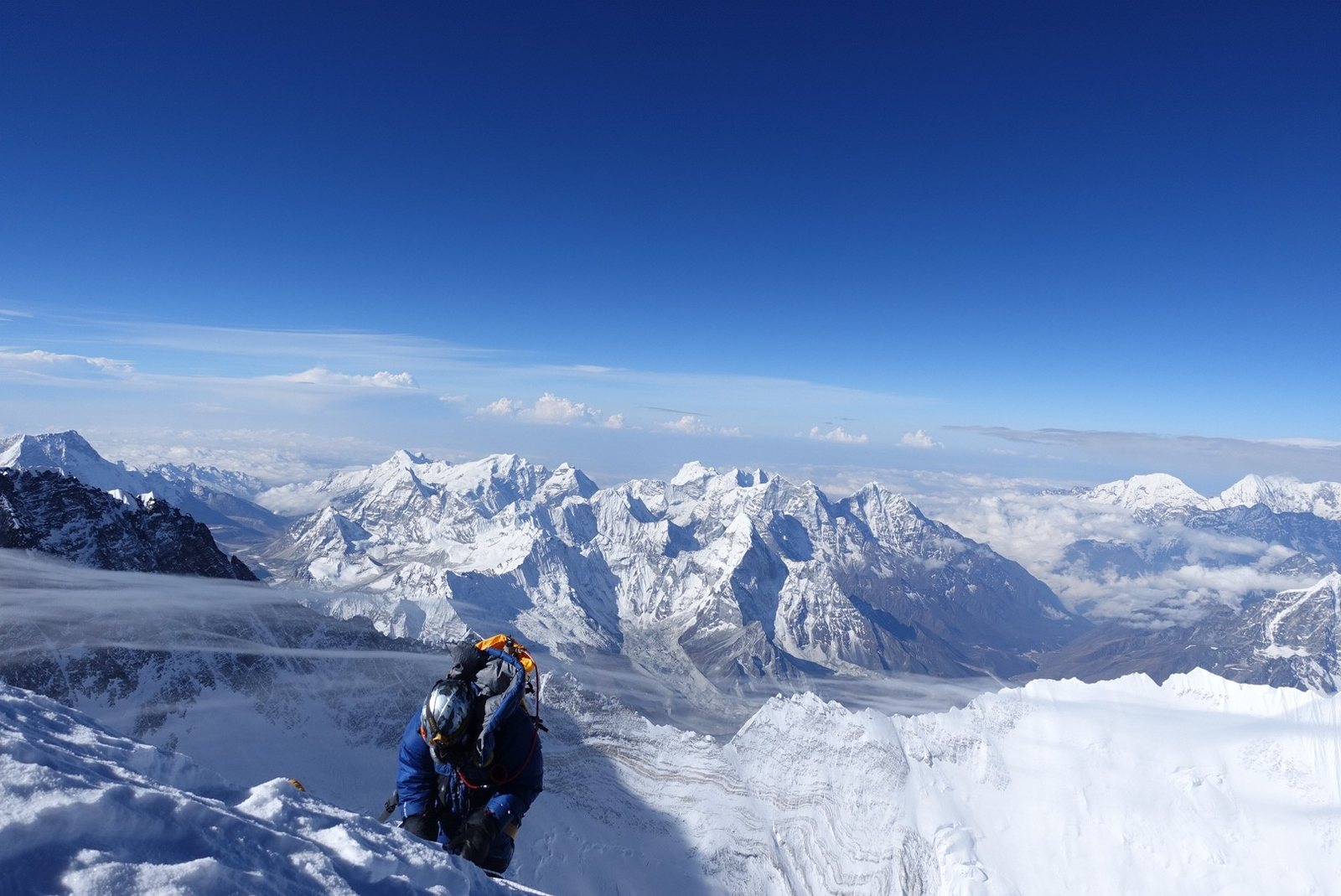
A climber ascending a steep snow slope high above glaciated Himalayan peaks on Everest in 2019
Everest 2019
4

IMG iTravelInsured Travel LX

Full insurance Figures from operator / comparison summaries
Not yet checked against the policy document

Best for protecting a high trip cost. The strongest cancellation ceiling in this list, with high medical and evacuation limits to match — provided IMG confirms your route in writing.

Medical

Accident & sickness medical expense up to $500,000 (operator and comparison summaries agree).

Evacuation & rescue

Emergency evacuation / repatriation up to $1,000,000; search & rescue up to $10,000; political / security and natural-disaster evacuation up to $50,000 (Seven Summits operator summary).

Trip cancellation

100% of insured trip cost, up to $100,000 in the operator summary; interruption to 150%; optional CFAR / Interruption For Any Reason up to 75% in secondary summaries. Confirm the current LX schedule for your state.

Altitude & activities

Verify in writing. A Seven Summits operator recommends LX for its own high-altitude guides and stresses the policy must include high-altitude activities, evacuation and search & rescue. Do not confuse it with IMG's separate Patriot Adventure Sports Rider, whose activity list doesn't name mountaineering and whose caps are age-banded and far lower.

Best for

Clients with expensive, non-refundable expeditions who need strong cancellation cover plus high medical and evacuation limits in one full policy.

Watch out

The recommendation rests on an operator summary, not the LX policy document. Get the exact peak and route confirmed by IMG in writing first.

Sources: Climbing the Seven Summits — mountaineering trip insurance · VisitorsCoverage mountaineering comparison (Oct 27, 2026).

5

Faye — Forward / Flagship

Full insurance · US residents only + Adventure & Extreme Sports add-on
Altitude limit checked on provider's own page

Best for treks and climbs to 6,000 m. A clean, modern, high-limit policy — with a hard 6,000 m ceiling that rules it out for Aconcagua.

Medical

Emergency medical up to $250,000 primary on international trips (Forward / Flagship; First tier $100,000). Secondary summaries describe a Flagship upgrade to $500,000 — verify in the plan document.

Evacuation & rescue

Emergency medical evacuation up to $500,000 (Forward) / $1,000,000 (Flagship), to the nearest appropriate facility for severe illness or injury. Reported to have no explicit search-and-rescue exclusion, with helicopter evacuation under the medical-evacuation benefit where pre-authorised.

Trip cancellation

100% of non-refundable trip costs; interruption to 150% on Forward / Flagship. Pre-existing-condition waiver requires purchase within 14 days of your initial trip deposit (secondary summary).

Altitude & activities

The add-on is required for trekking above 2,700 m and covers mountain climbing up to 19,685 ft / 6,000 m — a hard ceiling. Kilimanjaro (5,895 m) is in scope; Aconcagua (6,961 m), Denali and Island Peak (6,189 m) are not.

Best for

US-resident clients on Kilimanjaro, Andes treks and objectives up to 6,000 m who want an app-based full policy with strong evacuation limits.

Watch out

Not a solution above 6,000 m, and the adventure cover is an add-on — base plans generally don't cover adventure or extreme activity losses without it.

Sources: Faye — Adventure & Extreme Sports add-on · Faye coverage (Oct 27, 2026).

6

Travel Guard (AIG)

Full insurance Preferred / Deluxe + adventure sports cover
US mountaineering wording not verified

Strong generalist, weakest technical-mountaineering wording. Excellent trip protection from a large, established insurer — but the activity wording is exactly where an expedition policy lives or dies.

Medical

Emergency medical and evacuation benefits are core to the Preferred / Deluxe plans. Exact limits vary by tier and state and were not verified from a current US plan document for this guide.

Evacuation & rescue

Emergency evacuation included. Secondary sources repeatedly describe helicopter rescue for high-altitude trekking as requiring the adventure-sports add-on plus written confirmation for the specific altitude.

Trip cancellation

Comprehensive cancellation, interruption and delay cover is Travel Guard's traditional strength — a good fit for protecting the trip investment, if the activity itself is covered.

Altitude & activities

The caveat that drops it to #6: a Travel Guard wording excerpt states technical mountaineering — using crampons, pickaxes, anchors, bolts, carabineers and rope systems — is not covered, while guided trekking below 6,000 m with a recognised commercial operator is. That excerpt is from a non-US wording; US wording may differ, but no current US wording confirming technical or above-6,000 m cover was verified.

Best for

Guided, non-technical high treks — Kilimanjaro, Inca Trail / Salkantay — where the client prioritises a big insurer's cancellation cover and assistance network and has confirmed the add-on covers their altitude.

Watch out

Do not rely on it as primary cover for roped, technical or above-6,000 m climbs without written US-plan confirmation.

Sources: Mosaic Adventure — Everest Base Camp insurance guidance · Pacific Prime — Travel Guard wording excerpt (non-US) (Oct 27, 2026).

7

Medjet

Evacuation membership — supplement only Hospital-to-hospital transport
Not field rescue, not insurance

Ranked last because it doesn't solve the mountain problem. Medjet moves you between hospitals — it will not get you off the mountain, and it pays no bills.

Medical

None — pays no hospital or treatment bills.

Evacuation & rescue

Hospital-to-hospital medical transport to your hospital of choice in your home country, once you are admitted as an inpatient (secondary summaries add: 150+ miles from home). Explicitly not a search-and-rescue plan — its staff are not first responders, and you must be medically stable, or stabilised locally first, for onward transport.

Trip cancellation

None.

Altitude & activities

No altitude ceiling — but that's beside the point on the mountain, because the service only starts at a hospital door.

Best for

An addition to providers #1–#6 for clients whose main fear is a long stay in a foreign hospital, who want guaranteed repatriation to their own US hospital once stabilised.

Watch out

Never present Medjet as expedition rescue cover on its own — on remote Papua or high Andes routes, reaching a hospital at all is the hard part.

Source: Good Neighbor Insurance — Medjet rules summary (Oct 27, 2026).

Before you buy — five checks

  1. 1Match the activity and altitude in the plan document. Get your exact activity name and maximum altitude confirmed against the policy wording — ideally in writing — not just a sales page or a call-centre assurance.
  2. 2Cover both layers above 4,600 m. A full policy for medical bills and trip cost, plus field rescue (Global Rescue with the High-Altitude Package, or Ripcord's built-in rescue). Check whether search & rescue is included or excluded.
  3. 3Buy early. Deadlines are short: World Nomads CFAR within 7 days of your first deposit; Faye's pre-existing-condition waiver within 14 days; Global Rescue's High-Altitude Package before any illness or injury occurs.
  4. 4Know the pre-authorisation rules. Several benefits — helicopter evacuation especially — depend on approval from the provider's 24/7 assistance team where possible. Carry the emergency number on your person, not just in your email.
  5. 5Don't mistake a membership for insurance. Global Rescue and Medjet move you; neither pays a hospital bill or refunds a cancelled trip. For remote Papua especially, confirm field-rescue coordination and satellite communication for your specific itinerary.

Deliberately not listed: Allianz

Allianz is a strong general travel insurer, but its own US adventure-travel page states it does not cover losses from extreme or high-risk sports, including “any high-altitude activity” and climbing sports.

Secondary sources quoting Allianz altitude caps of 4,000–5,500 m conflict with that exclusion, so it isn't listed as an expedition option here.

Source: Allianz US — adventure travel insurance.

Sources

How to read this guide: Limits for Ripcord, Global Rescue, World Nomads and Faye were checked against the providers' own pages on October 27, 2026. Figures for IMG, Travel Guard and Medjet come from operator and comparison summaries and are flagged as such — confirm them in the current plan document for your state before buying. Plan terms change; the policy document, not this page, is the contract.

No prices are shown because no current price could be verified from a live quote — premiums depend on age, trip cost, duration, destination and state of residence. This guide is general information for trip planning, not insurance advice or a recommendation for any individual.

Photos: Freedom Peak Expeditions.

Plan your trip

Book a free call with our founder, Mark Parella

Tell us what you have in mind. We'll set up a phone or video call, then send you a custom itinerary with up-front pricing.

Founder
Mark Parella
Phone
(310) 465-6178
Email
allsevensummits@gmail.com
In Tanzania
Operated by Kilimanjari Explorer, Moshi
Consultation by

Your request goes straight to Mark at allsevensummits@gmail.com.

Talk to us